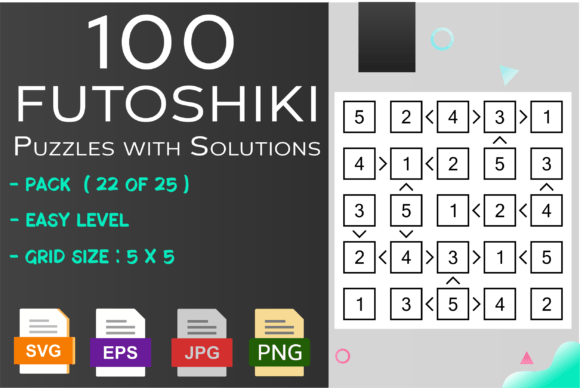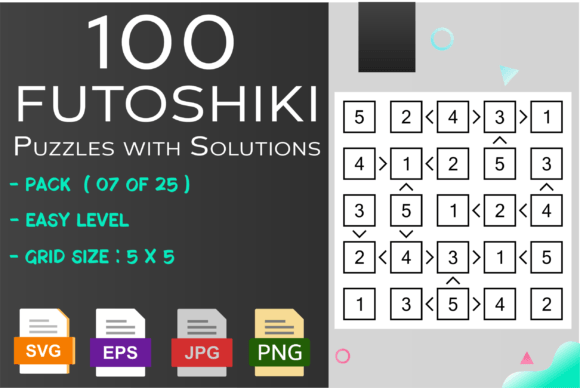
100 Futoshiki Puzzles Easy 7 of 25
A Designer’s First Glance: Clean, Clever, and Quietly Confident
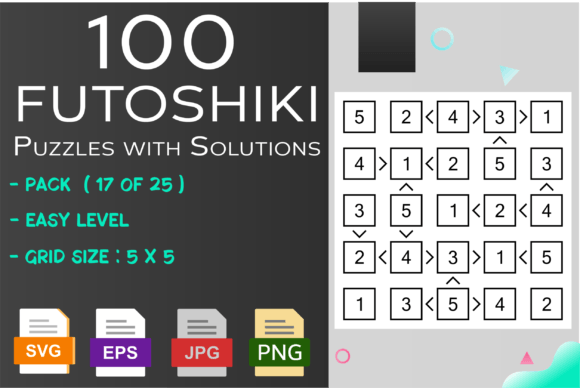
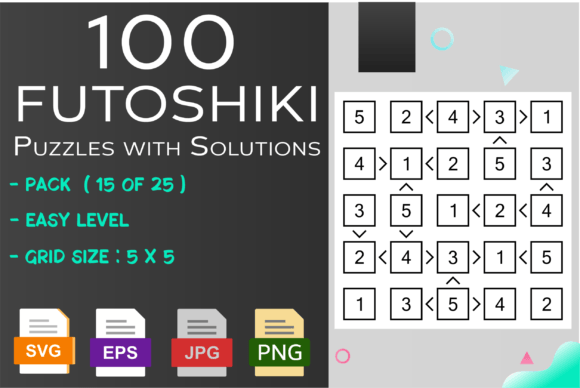
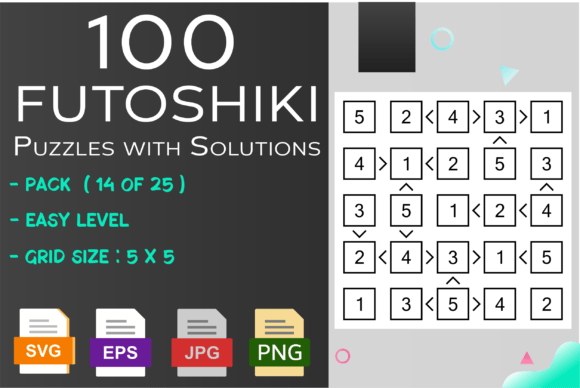
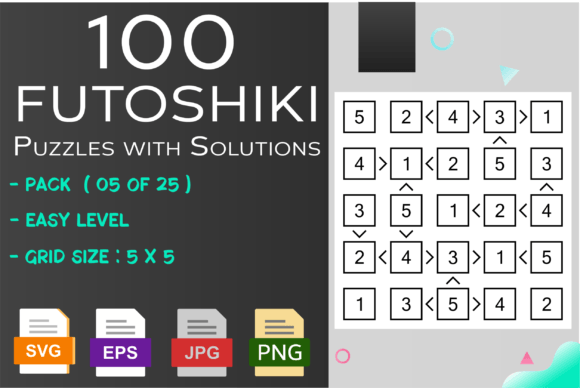
When I opened 100 Futoshiki Puzzles Easy 7 of 25, my first thought wasn’t “puzzle” — it was “pattern.” As a designer who regularly translates graphics into machine embroidery designs for tote bags, baby onesies, and boutique aprons, I instinctively scanned for rhythm, spacing, and stitch-friendly structure. This collection doesn’t shout. It leans into subtle geometry — clean grids, balanced inequality symbols (<, >), and restrained typography. There’s no ornate border, no decorative flourishes, no overlapping elements. That’s not a flaw — it’s a feature. For embroidery, simplicity is often the strongest foundation.
Real-World Fit: Why It Works on a Custom Embroidered Tote Bag
Last week, I tested 100 Futoshiki Puzzles Easy 7 of 25 as the centerpiece for a linen tote bag destined for a local puzzle café’s holiday pop-up. The design scaled cleanly to 4.2" wide — snug but legible in a standard 5x7 hoop. Because the layout relies on consistent line weight and open negative space, it stitched with remarkable clarity using a medium-density fill stitch and a single satin-stitched outline around the grid frame. No thread nesting, no puckering on the midweight canvas. Customers responded immediately: “Oh — it’s *meant* to be solved!” That quiet interactivity — the invitation to pause, engage, and even flip the bag over to check the answer key (which I added separately) — gave the finished product personality far beyond typical monogram or quote-based embroidery.
Where It Shines (and Where to Pause)
100 Futoshiki Puzzles Easy 7 of 25 excels in contexts where intellect meets tactility:
- Custom apparel: Crisp on cotton sweatshirts and structured caps — especially when placed on the left chest or back yoke where flat fabric supports clean grid alignment.
- Baby and nursery items: Gentle enough for organic cotton burp cloths or muslin pillow covers; the logic theme reads as thoughtful, not academic.
- Printable mockups & digital product previews: Its high-contrast, vector-ready layout converts beautifully to PDFs and PNGs for Etsy listings — no pixelation, no anti-aliasing blur.
- Small shop merchandise: Works as a cohesive series — use Puzzle #1 on mugs, #7 on tea towels, #25 on embroidered patches — building brand recognition through consistency, not repetition.
That said, proceed with care on:
- Stretchy or thin fabrics — like jersey tees or chiffon scarves — where fine grid lines may distort without heavy cutaway stabilizer.
- Dark or textured backgrounds — small inequality symbols can visually recede; consider reversing symbol color or adding a subtle drop shadow in your digitizing software.
- Curved surfaces — such as baseball caps — where tight corner angles may compress or skew unless manually adjusted in your embroidery software.
- Frequent-wash items — test stitch density first. Overly dense fills on puzzle grids can stiffen fabric and crack after repeated laundering.
Design Integrity Meets Handmade Value
What makes 100 Futoshiki Puzzles Easy 7 of 25 stand out among Kdp Interiors’ Graphics offerings isn’t novelty — it’s intentionality. Each puzzle is sized and spaced for readability at common embroidery scales. There’s no unnecessary detail that would vanish under thread, no fragile serifs that’d disappear in satin stitch. That restraint builds trust: customers see a finished product and think “designed well,” not “digitized hastily.” For Etsy sellers and craft fair vendors, that perception directly lifts perceived value — especially for personalized gifts where buyers pay more for cleverness + craftsmanship.
Practical Notes from the Hoop
Before stitching your first piece, do these five things:
- Test on scrap fabric — same fiber content and weight as your final project. Watch how the grid corners hold up and whether symbols stay distinct.
- Check thread color contrast — run a quick black-and-white mockup. If symbols blur together in grayscale, adjust thread hue or add a light outline.
- Review stitch density — especially in the central grid area. High density feels premium but risks stiffness; moderate density keeps fabric drape intact.
- Confirm licensing terms — since this is a KDP-optimized graphic, verify whether commercial use of finished embroidered products is permitted. When in doubt, contact the creator directly.
- Use appropriate stabilizer — medium-weight tear-away works for stable wovens; switch to cutaway for knits or lightweight linens.
Final Thought: A Quiet Design That Earns Its Place
100 Futoshiki Puzzles Easy 7 of 25 won’t dominate a storefront window — and it shouldn’t. Its strength lies in resonance, not volume. It fits naturally into a thoughtful craft business: the kind that sells embroidered kitchen towels to teachers, baby onesies to puzzle-loving parents, or custom patches for math club fundraisers. It’s a machine embroidery design that respects both the maker’s time and the buyer’s intelligence. In an era of visual noise, that kind of quiet confidence is rare — and commercially valuable. Just remember: let the design breathe, stitch it with intention, and let the puzzle do the rest.